

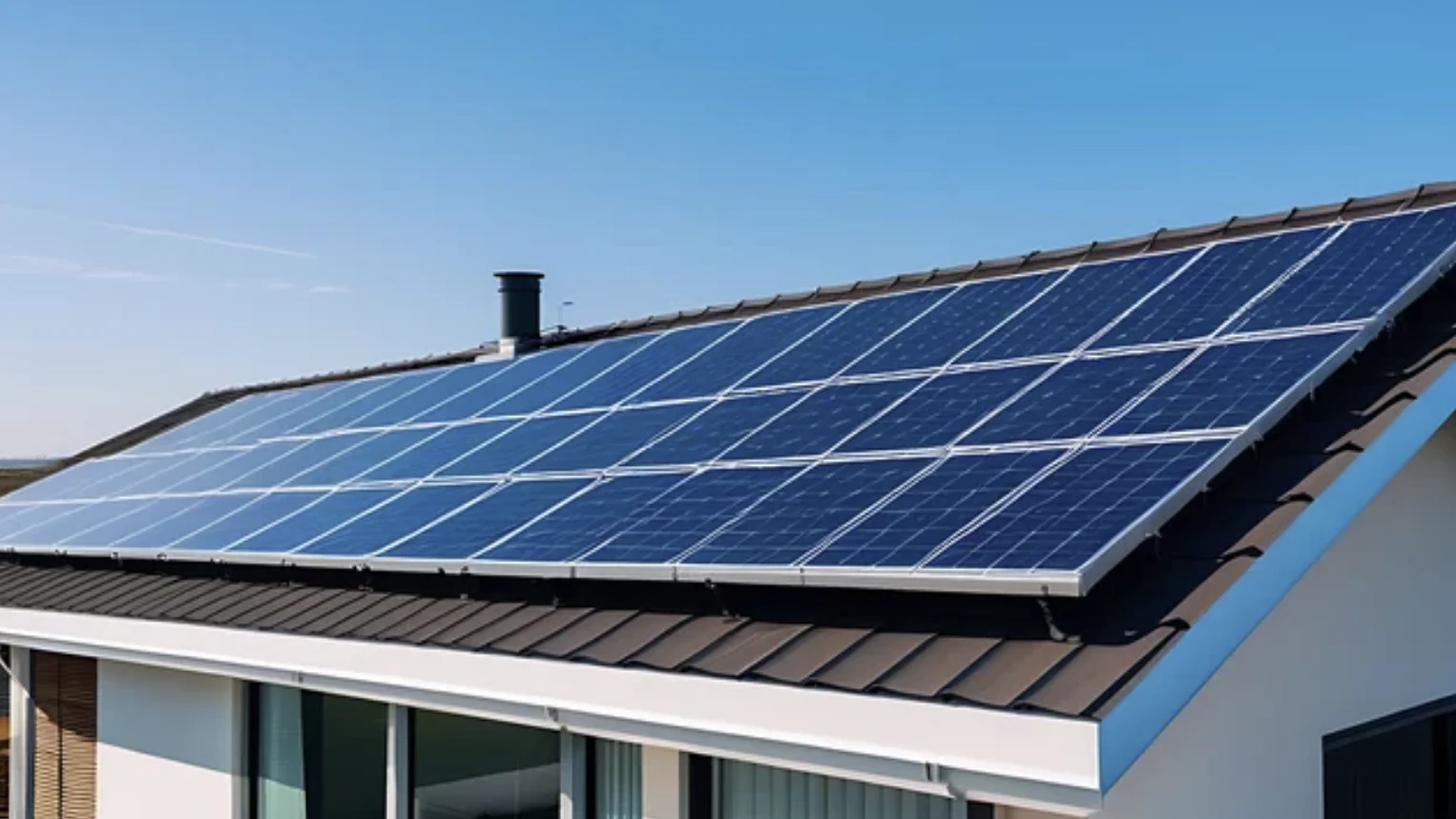
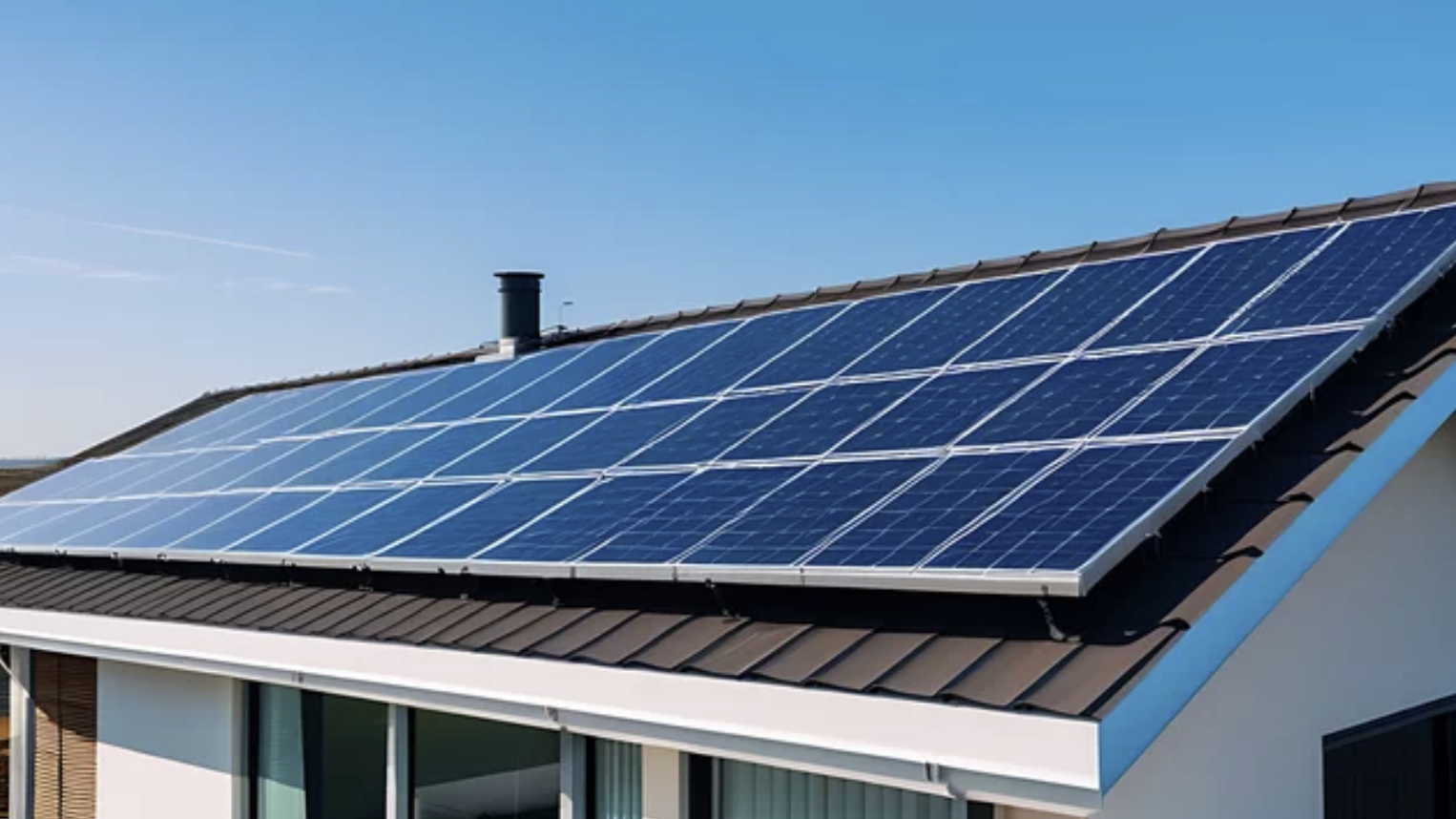
Incorporating solar panels into your home remodel is a forward-thinking decision that can provide significant environmental and economic benefits. As you look to the future and consider reducing your carbon footprint, solar technology has become increasingly accessible and cost-effective. By integrating photovoltaic systems into your home renovation, you’re investing in cleaner energy and positioning yourself to take advantage of long-term energy savings.
Planning the installation of solar panels during a home remodel requires careful consideration of various factors, including the orientation of your house, local climate conditions, and roof integrity. Ensuring that you address these elements during the planning stage will maximize the efficiency of your solar energy system and contribute to its seamless integration with your home’s overall design. Additionally, exploring financial incentives and understanding the available technology options will help make your transition to solar power smooth and more cost-effective.
Benefits of Solar Energy for Home Remodeling
When you decide to remodel your home, incorporating solar energy offers multiple advantages that align with eco-friendly living and can lead to significant energy savings. Understanding these benefits can help you make an informed decision about solar integration.
Sustainable Living and Environmental Impact
Solar energy is a clean and renewable energy source that allows you to power your home without depleting natural resources. By installing solar panels during your home remodel, you’re contributing to reducing your carbon footprint. In cities like San Diego, known for its ample sunshine, leveraging solar power can profoundly impact the environment.
- Eco-friendly: Utilizes the abundant energy from the sun, reducing reliance on fossil fuels.
- Clean energy: Solar installations produce energy without emitting greenhouse gases.
Long-Term Savings and Energy Efficiency
Integrating solar panels into your home remodel doesn’t just benefit the planet, it’s also a strategic financial decision. Over time, solar panels lead to substantial energy savings, thanks to lower utility bills and potential incentives.
- Energy efficiency: Solar panels convert sunlight directly into electricity, often more than your household consumes. Depending on local net metering policies, you can even sell the excess energy back to the grid.
- Cost-effective: Initial investment aside, the operational cost of solar panels is relatively low compared to traditional energy sources.
Utilizing solar energy in your home remodel is not just a step towards a sustainable lifestyle; it’s also a savvy economic choice that can provide enduring value for your property.
Understanding the Costs and Savings of Solar Panels in 2024
When planning to integrate solar panels into your home remodel, understanding the upfront costs and long-term savings is essential for making an informed decision. Solar panel installation costs vary significantly based on location, local electricity rates, and average energy usage. Here’s a quick overview of what you can expect when investing in solar energy across different states, as well as the potential savings:
Average Solar Panel Costs by State1
The cost of installing a 6-kilowatt (kW) solar panel system, after applying the 30% federal tax credit, typically ranges between $10,000 and $15,000. For example, in Alabama, the cost averages $10,542, while in states like Massachusetts, it can go up to $15,162. These prices reflect the difference in installation and electricity costs across various regions.
Estimated Annual Savings with Solar Panels
One of the most compelling reasons to install solar panels is the potential for significant long-term savings. In states like Hawaii, where electricity costs are high (43.93¢/kWh), homeowners could save as much as $2,638 per year. Even in states with lower electricity rates, such as Alabama (14.98¢/kWh), homeowners may still save over $2,000 annually.
Key Cost Factors to Consider:
- Electricity Rates: Higher electricity costs generally mean higher annual savings. States like California and Connecticut, with electricity rates over 29¢/kWh, offer a better return on investment in the long run compared to states with lower rates.
- Household Energy Usage: The average household energy consumption also affects how much you can save with solar. In states with higher energy usage, such as Texas, which averages 1,178 kWh per month, solar panels can cover more of your household’s energy needs, leading to greater savings.
Planning Your Solar Panel Installation
Before diving into a home solar project, it’s essential to strategize the installation process. Deliberate planning ensures you maximize your solar system’s efficiency and financial benefits.
Evaluating Your Home’s Solar Potential
Your home’s orientation to the sun is pivotal in determining solar panel output. Use tools like Google’s Project Sunroof to assess solar potential based on location, shade, and energy consumption. For example, homes in sunny areas, such as San Diego, often have higher solar viability.
Choosing the Right Solar Panels and Components
Selecting solar panels and components that suit your specific needs is crucial. Focus on photovoltaic systems known for their high efficiency and longevity. Understand that the quality of solar cells plays a significant role in your system’s overall performance and energy output.
Understanding Local Incentives and Tax Credits
Incentives and tax credits can substantially lower the cost of solar installation for homeowners. Research local and federal programs that provide financial assistance or rebates. These can reduce your upfront costs and improve the return on your investment.
Solar Panel Considerations for San Diego Homeowners
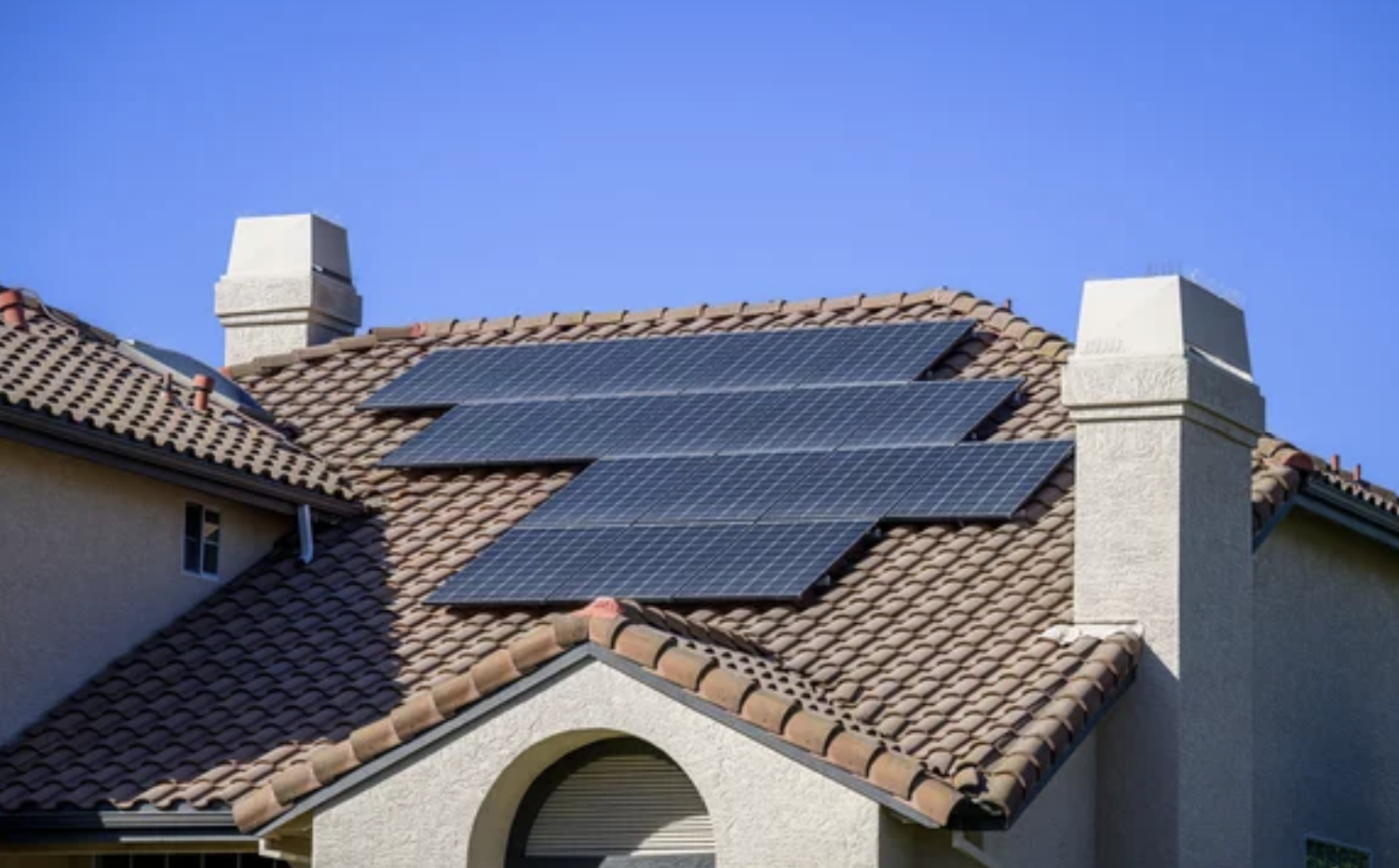
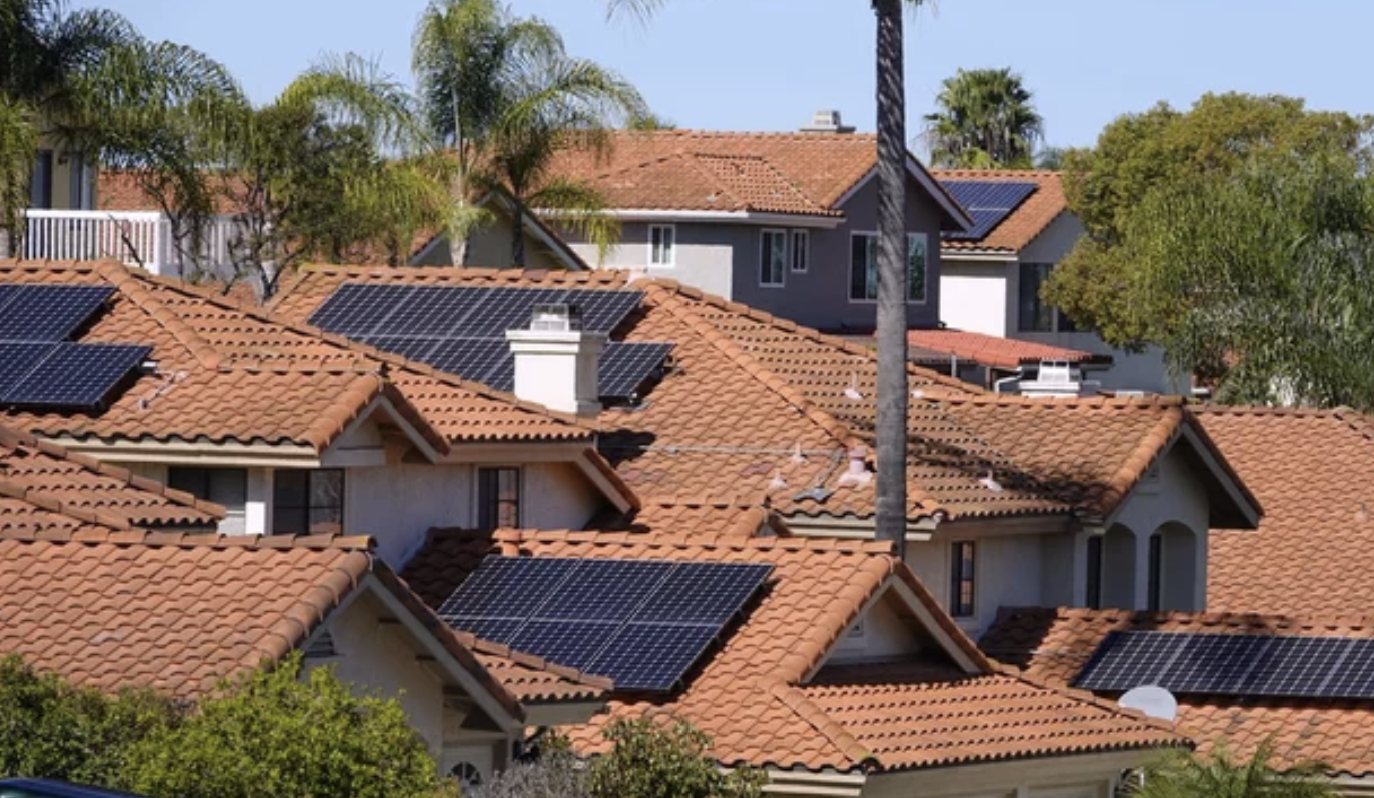
San Diego is one of the best locations for homeowners planning to install solar panels as part of their home remodel. The potential savings and environmental impact are significant with ample sunlight year-round and growing incentives for clean energy. Here’s what San Diego homeowners should know:
Cost and Savings in San Diego:
On average, the cost to install a solar system in San Diego ranges between $15,000 and $25,000 before incentives, depending on the size of the system and specific home needs. However, homeowners can benefit from the 30% federal tax credit and state or local incentives, significantly reducing upfront costs. Given that California’s average residential electricity rate is 31.23¢/kWh, San Diego homeowners save approximately $1,700 to $2,000 annually, depending on their energy usage.
Key Considerations:
- Solar Viability: San Diego’s sunny climate makes it one of the most optimal places for solar energy production. Ensure your roof has the proper orientation (south-facing) and minimal shading to maximize solar efficiency.
- Permitting and Incentives: Work with a local solar contractor familiar with California’s solar rebate programs, city permitting processes, and the new NEM 3.0 net metering policy, which impacts how solar energy is credited to homeowners.
- Energy Storage Options: Consider adding a solar battery to store excess energy to use during the night or grid outages, especially with the increasing focus on energy independence in California.
By factoring in these considerations and taking advantage of available incentives, San Diego homeowners can expect significant long-term savings and a smaller carbon footprint by integrating solar energy into their home remodel.
Financial Considerations and Incentives
When considering solar panels for your home remodel, it’s essential to understand the financial implications, including the initial investment and ongoing savings. This section will guide you through budgeting for your system, financing options, and available rebates and tax benefits.
Budgeting for Your Solar Panel System
Your solar energy system cost will be a substantial part of your remodeling budget. The average cost for residential solar systems is around $16,000 but can vary based on size and energy needs. Here’s how to budget effectively:
- Calculate Energy Requirements: Understand your current energy usage to estimate the solar panel system size you need.
- Research Costs: Obtain quotes from multiple providers to find the best price and assess the quality of the panels.
- Include Additional Expenses: Remember to account for permits, inspections, and any necessary upgrades to your home’s electrical system.
Exploring Financing and Solar Loans
If the upfront cost is challenging, you may consider financing options. Solar loans can make the investment more manageable by spreading the cost over time. When evaluating financing options, pay careful attention to:
- Interest Rates: Look for low-interest solar loan options to minimize long-term expenses. Secured loans typically have lower interest rates than unsecured loans.
- Loan Terms: Compare the terms of different loans, including the length of the loan and any fees involved.
Maximizing Rebates and Tax Benefits
To reduce the overall cost of solar panels, tap into rebates and tax incentives:
- Federal Tax Credits: A key incentive is the Residential Renewable Energy Tax Credit, which applies to a percentage of your installation cost.
- State Incentives: Investigate state-specific rebates and incentives that can further lower costs.
- Utility Company Programs: Some utility companies offer additional rebates for homeowners who choose solar.
By carefully combining these incentives, you can considerably decrease your net investment. The Department of Energy offers a comprehensive guide for detailed tax credit information.
Remember, investing in solar energy is not just about the immediate costs and savings; it’s a long-term investment that can increase your home’s value and reduce your carbon footprint.
Integrating Solar Power with Home Appliances
When remodeling your home to include solar panels, it’s crucial to understand how they can seamlessly integrate with your major appliances to ensure efficiency and reliability.
Solar Compatibility with Major Appliances
Your primary concern should be identifying which of your major appliances can be powered effectively by solar energy. Appliances like refrigerators, dishwashers, and washing machines can be significant energy consumers. To utilize solar power for these appliances, you’ll likely need a powerful inverter that converts the direct current (DC) from your panels to usable alternating current (AC) within your home. As you upgrade your home appliances, opt for those with “solar-ready” capabilities or those labeled as energy-efficient, which are designed to operate with less electrical consumption.
Solar-Powered Water Heaters and Security Systems
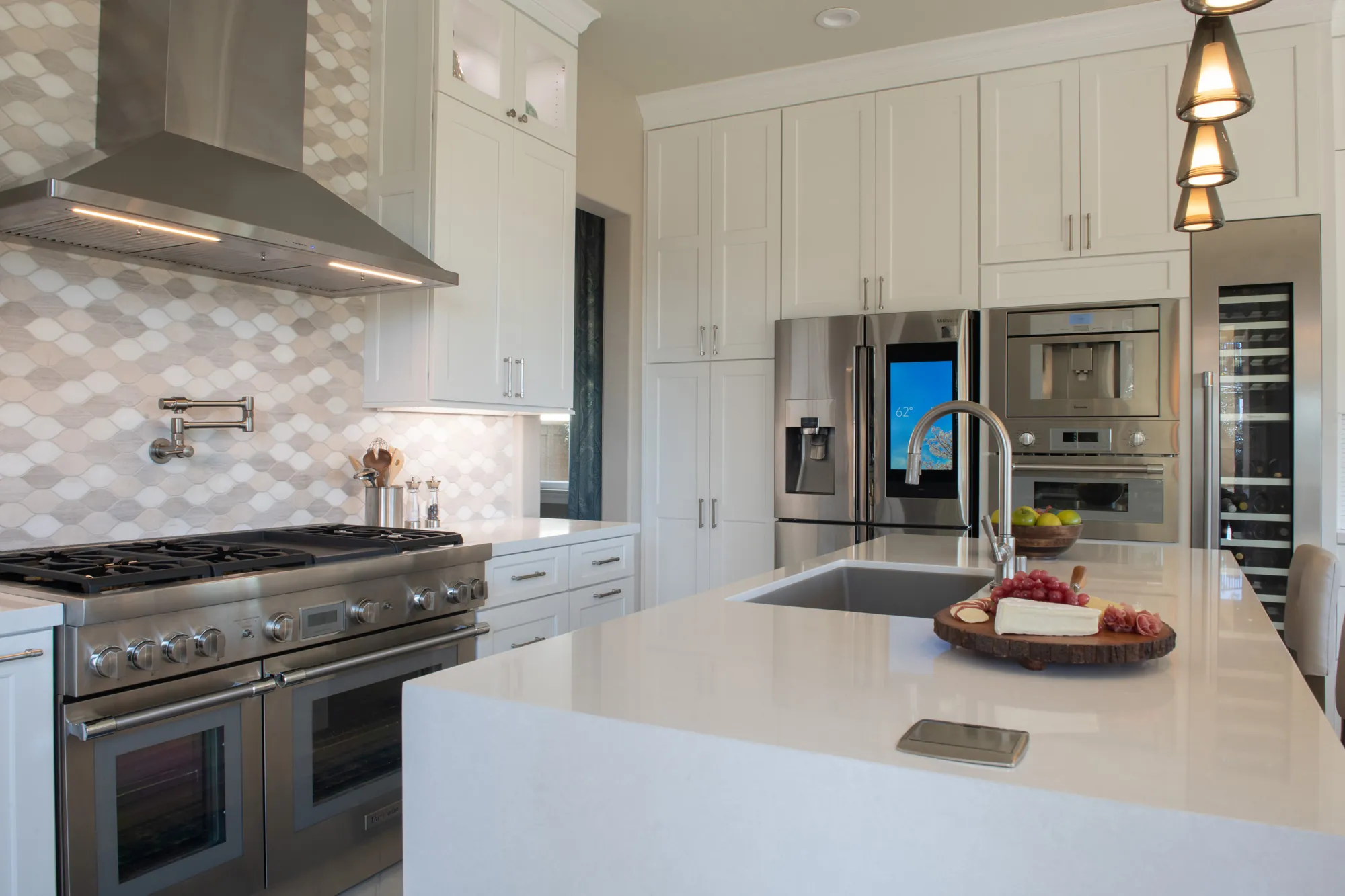
Solar-powered water heaters are one of the most cost-effective appliances for running on solar energy. They use thermal energy from the sun, which is directly converted into heat, reducing the electrical load on your solar power system. Additionally, solar energy can be an excellent power source for security systems, including security cameras. By incorporating solar batteries, you can ensure these critical systems remain operational even when there’s a power outage, harnessing solar energy for continuous protection.
Maintaining and Upgrading Your Solar Energy System
Routine maintenance is essential to ensure your solar installation remains efficient and retains its value over time, and planning for future upgrades can keep your system at the forefront of solar technology.
Routine Maintenance for Efficiency and Longevity
Your solar energy system requires regular maintenance to operate at peak efficiency. Cleaning is crucial; dust, debris, and leaves can obscure the panels, hindering their ability to absorb photons and generate electricity. We typically recommend cleaning solar panels at least once per year, depending on local conditions.
In particularly dusty areas or where bird droppings are common, more frequent cleanings may be necessary. On rainy days, nature assists in this process, but manual cleaning may still be required in drier climates or during extended periods without rainfall.
- Inspect your panels periodically for any signs of damage or wear.
- Monitor your system’s output to track any changes in energy consumption.
- Check for vegetation that may create shade and reduce efficiency.
Remember, well-kept panels can mean lower utility costs and reduced electricity usage, which translates to savings on your utility bills.
Future-Proofing: Upgrades and Expansions
Consider upgrades and expansions to maintain and improve your solar energy system’s capacity as your needs grow or as advancements in technology arise. You can enhance your system’s performance through several methods, such as adding more panels or incorporating newer, more efficient technologies that convert sunlight to electricity more effectively.
- Expansion: If your energy needs are increasing, adding additional panels to complement your existing setup can help meet those demands.
- Upgrading: Swap out older panels for newer, more efficient models or consider adding a solar battery for energy storage.
By future-proofing your solar investment, you’ll enjoy a system that sustains your home’s energy requirements and continues to offer financial benefits over time. Keeping abreast of advancements in solar technology can ensure that your system stays relevant and effective in the years to come.
Frequently Asked Questions
Frequently Asked QuestionsIn this section, you’ll find clear, concise answers to common questions about integrating solar panels into your home remodel, cost considerations, installation choices, and available government incentives.
Integrating solar panels starts with a thorough assessment of your energy needs and a structural check to ensure your roof can support them. Next, you’ll design your system, obtain permits, and finally, the installation along with an inspection.
Certain programs and companies offer solar panels at no upfront cost through solar leases or Power Purchase Agreements, where you pay for the energy generated but not the panels themselves.
In San Diego, the cost before incentives can range from $15,000 to $25,000 for a typical residential solar panel system, depending on the system’s size, roof structure, and specific home needs.
Professional installations are usually more efficient and come with assurances that DIY installations lack. Professionals, such as Kaminskiy Design and Remodeling, ensure systems meet local codes and are properly optimized for energy production.
The government offers incentives such as the Federal Solar Investment Tax Credit and possibly local rebates and tax credits. To benefit, ensure your system qualifies for these incentives.
The optimal placement for solar panels is defined by factors like roof orientation, angle, and shading, aiming to maximize sun exposure. It’s paramount to adjust for local conditions to ensure peak performance.
Explore More Design and Remodeling Tips
Sources:
Ready when you are