



As San Diego homeowners, we know that living in such a beautiful region comes with challenges, especially the threat of wildfires. Whether you’ve lived here for years or just moved in, taking steps to protect your home and family is critical.
I understand how overwhelming it can be to prepare for wildfire season while balancing the demands of daily life. That’s why I’m passionate about helping homeowners create safer spaces with solutions that protect and enhance their homes.
Wildfires pose a serious threat to San Diego County. Preparing for these emergencies is crucial for keeping you and your loved ones safe. Creating a family disaster plan is a key step in wildfire preparedness.
Simple steps like clearing brush around your property and choosing fire-resistant materials can make a big difference. It’s also essential to stay informed about the resources San Diego County provides to help you prepare for wildfire threats.
By taking action now, you can be better prepared for wildfire season. This guide will provide essential tips, data, and resources to help San Diego residents prepare for wildfires. At Kaminskiy Design and Remodeling, we believe in blending safety with beauty.
If you’re considering a home remodel, why not take this opportunity to strengthen your home’s wildfire resistance? This blog offers practical steps tailored to San Diego homeowners, whether upgrading to fire-resistant materials, designing defensible space, or integrating smart safety technologies. Let us show you how your home can become a sanctuary that’s as resilient as beautiful.
Curious how we can help? Reach out for a consultation, and let’s discuss your home’s unique needs.
Prefer Listening? Here’s the Podcast Version:
While preparedness is vital, your home’s construction and design also play a crucial role in reducing wildfire risks. Let’s explore how strategic remodeling can help reduce risks and enhance your home’s beauty.
Understanding Wildfire Risks in San Diego County
Why Wildfires Are a Threat
San Diego’s climate, vegetation, and geography make it highly vulnerable to wildfires. Over 600,000 residents live in high-risk areas, where dry vegetation and strong winds can quickly turn small fires into disasters.
The Role of Climate Change and Santa Ana Winds
- Climate Change: Increasing temperatures and prolonged droughts leave vegetation dry and more flammable.
- Santa Ana Winds: These hot, dry winds can spread fires rapidly. They are more potent in fall and early winter, increasing wildfire risks during these seasons.
| Factor | Description | Impact on Wildfire Risk | Mitigation Strategies |
|---|---|---|---|
| Climate Change | Increasing global temperatures and prolonged droughts result in drier vegetation, making it more flammable. | Leads to longer wildfire seasons, more intense fires, and greater difficulty in containment. | Promote sustainable practices, reduce greenhouse gas emissions, and increase community awareness of fire-resistant landscaping. |
| Santa Ana Winds | These seasonal winds are hot and dry, typically occurring in fall and early winter, and can rapidly spread fires. | Accelerates fire spread by carrying embers over long distances, igniting new fires, and overwhelming fire suppression efforts. | Establish defensible space zones around homes, install ember-resistant vents, and develop emergency evacuation plans. |
| Vegetation Flammability | Prolonged drought conditions dry out grasses, shrubs, and trees, increasing their combustibility. | Dry vegetation acts as fuel, allowing wildfires to grow rapidly and spread across large areas. | Implement regular vegetation management, such as clearing dead plants and thinning tree canopies near structures. |
| Seasonal Factors | The fall and early winter months bring lower humidity levels, intensifying fire conditions. | Contributes to “fire weather” conditions where even small ignition sources can cause devastating fires. | Monitor Red Flag Warnings and avoid activities that could create sparks during high-risk periods. |
| Community Planning | Poorly planned development in fire-prone areas increases vulnerability to wildfires. | High-density housing in fire zones can lead to greater property losses and challenges for firefighters. | Adopt fire-smart building codes, prioritize fire-resistant materials, and ensure proper urban planning in high-risk areas. |
Wildfire Statistics:
Since 2000, California has experienced some of its largest and most destructive wildfires. Notable examples include:
- Cedar Fire (2003): Over 273,000 acres burned in San Diego County1.
- Camp Fire (2018): Destroyed2 over 18,800 structures and caused 85 fatalities3.
Tip: Pay attention to Red Flag Warnings, which signal high fire danger due to weather conditions.
Top 20 Largest California Wildfires
| Fire Name (Cause) | Date | County | Acres | Structures |
|---|---|---|---|---|
| August Complex (Lightning) | August 2020 | Mendocino, Humboldt, Trinity, Tehama, Glenn, Lake, & Colusa | 1,032,648 | 935 |
| Dixie (Powerlines) | July 2021 | Butte, Plumas, Lassen, Shasta & Tehama | 963,309 | 1,311 |
| Mendocino Complex (Human Related) | July 2018 | Colusa, Lake, Mendocino & Glenn | 459,123 | 280 |
| Park Fire (Arson) | July 2024 | Butte, Plumas, Shasta & Tehama | 429,603 | 709 |
| SCU Lightning Complex (Lightning) | August 2020 | Stanislaus, Santa Clara, Alameda, Contra Costa, & San Joaquin | 396,625 | 225 |
| Creek (Undetermined) | September 2020 | Fresno & Madera | 379,895 | 858 |
| LNU Lightning Complex (Lightning/Arson) | August 2020 | Napa, Solano, Sonoma, Yolo, Lake, & Colusa | 363,220 | 1,491 |
| North Complex (Lightning) | August 2020 | Butte, Plumas & Yuba | 318,935 | 2,352 |
| Thomas (Powerlines) | December 2017 | Ventura & Santa Barbara | 281,893 | 1,060 |
| Cedar (Human Related) | October 2003 | San Diego | 273,246 | 2,820 |
| Rush (Lightning) | August 2012 | Lassen | 271,911 CA / 43,666 NV | 0 |
| Rim (Human Related) | August 2013 | Tuolumne | 257,314 | 112 |
| Zaca (Human Related) | July 2007 | Santa Barbara | 240,207 | 1 |
| Carr (Human Related) | July 2018 | Shasta County & Trinity | 229,651 | 1,614 |
| Monument (Lightning) | August 2021 | Trinity | 223,124 | 28 |
| Caldor (Under Investigation) | August 2021 | Alpine, Amador, & El Dorado | 221,835 | 1,005 |
| Matilija (Undetermined) | September 1932 | Ventura | 220,000 | 0 |
| River Complex (Lightning) | July 2021 | Siskiyou & Trinity | 199,359 | 122 |
| Witch (Powerlines) | October 2007 | San Diego | 197,990 | 1,650 |
| Klamath Theater Complex (Lightning) | June 2008 | Siskiyou | 192,038 | 0 |
Home Hardening and Defensible Space
What Is Defensible Space?
A defensible space is a buffer zone between your home and wild vegetation. It slows fire spread and provides firefighters with a safer area to work.
Defensible Space Zones: A Step-by-Step Guide
Zone 0 (0 to 5 feet):
- Use hardscaping like gravel or concrete.
- Remove all flammable materials, such as wood mulch or dried leaves.
- Prune overhanging branches to at least 10 feet from your roof.
Zone 1 (5 to 30 feet):
- Break up continuous vegetation into islands to prevent fire spread.
- Keep grass trimmed to under four inches.
- Remove fallen leaves and debris regularly.
Zone 2 (30 to 100 feet):
- Thin trees and shrubs, maintaining 10 feet between canopies.
- Remove ladder fuels by trimming tree branches up to six feet from the ground.
- Store firewood and combustible items away from this zone.
Pro Tip: Regular maintenance of your defensible space reduces fire risks for the whole community.
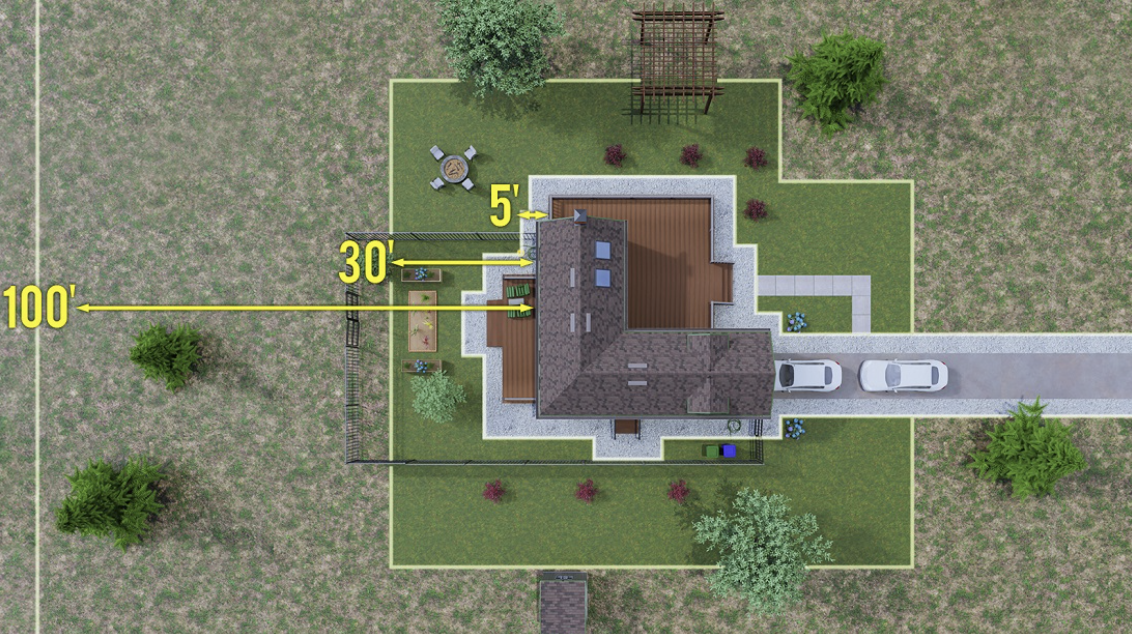
Image Source: California Department of Forestry & Fire Protection4
Landscaping for Beauty and Wildfire Defense
Your outdoor space is more than a backyard, it’s your first line of defense against wildfires. Incorporating fire-resistant landscaping during a remodel not only elevates your home’s curb appeal but also creates defensible space that can save your property.
- Hardscaping, like stone patios and gravel paths, doubles as a fire barrier while adding a polished look to your yard.
- Fire-resistant plants, water features, and fire pits with ember shields give your landscape both functionality and flair.
At Kaminskiy, we love turning your outdoor spaces into beautiful, wildfire-ready oases. Let’s make your yard work as hard as it plays!
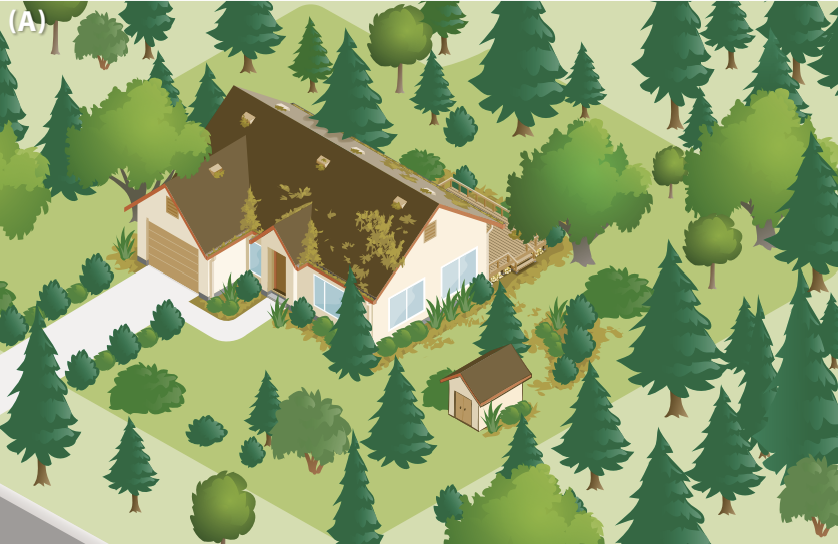
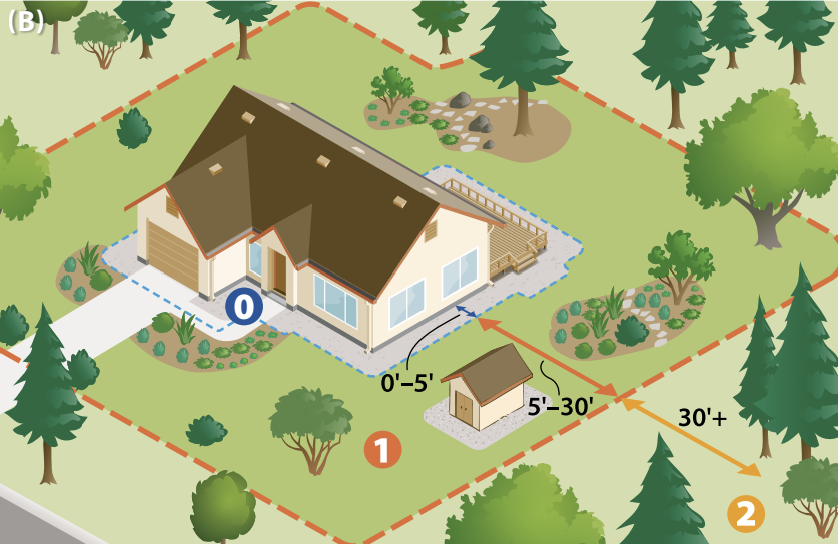
Images Source: University of California, Agricultural and Natural Resources5
Home Hardening Tips
Roofs and Gutters:
- Use Class A fire-resistant materials6 like asphalt shingles, concrete tiles, or metal.
- Keep gutters clear of leaves and debris to prevent ember accumulation.
Vents and Windows:
- Install ember-resistant vents with 1/8-inch metal mesh to block flying embers.
- Use dual-pane windows with tempered glass to reduce the risk of breakage.
Decks and Fencing:
- Construct decks7 with non-combustible materials and keep the area underneath clear.
- Replace wooden fences within five feet of your home with metal or other noncombustible materials.
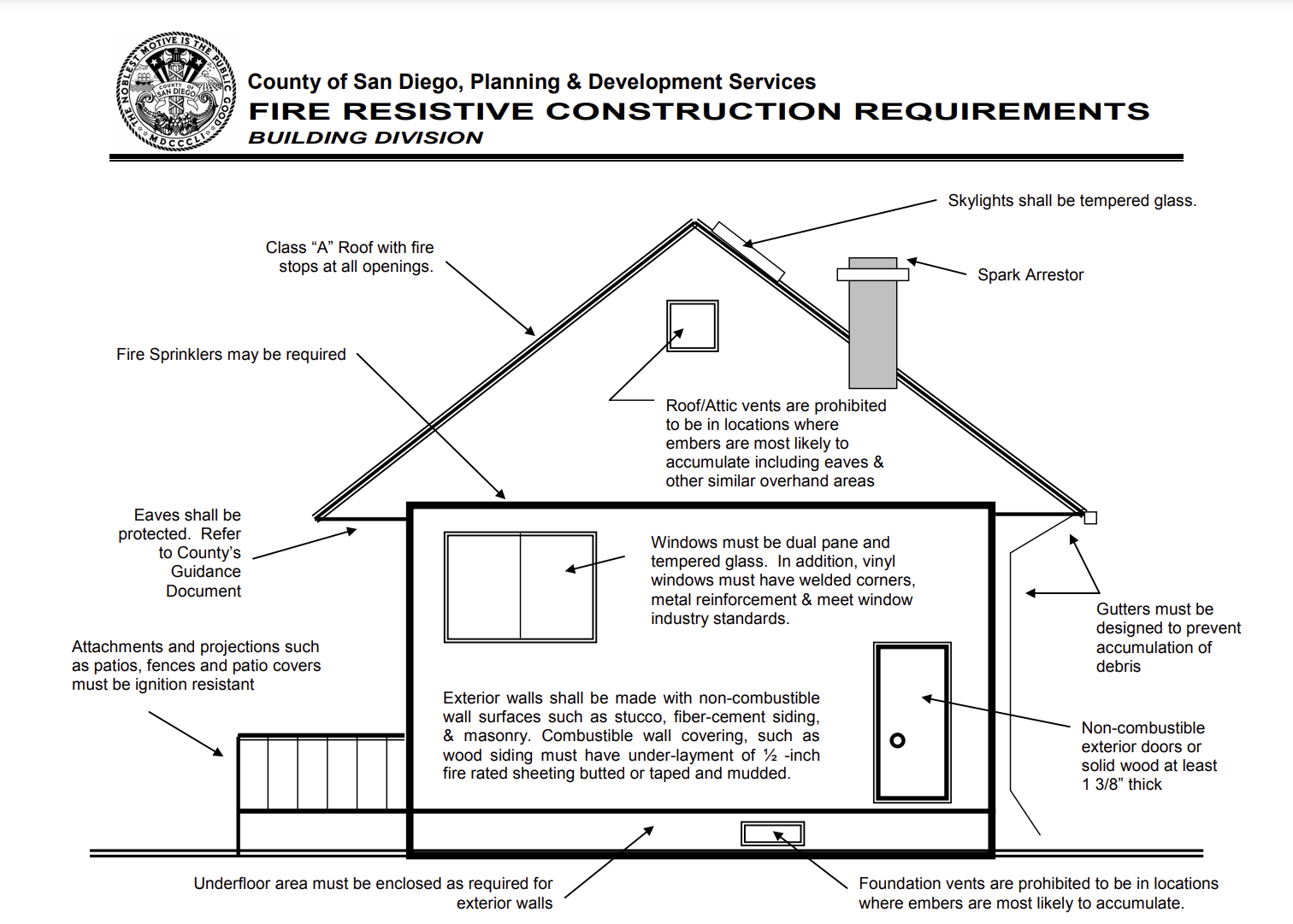
Image Source: County of San Diego, Planning & Development Services8
Eco-Friendly Remodeling for Wildfire Protection
Why not double down on upgrades that protect your home and the environment? Remodeling is the perfect time to invest in dual-purpose solutions like:
- Fire-resistant insulation: Mineral wool is both energy-efficient and capable of withstanding intense heat.
- Solar panels with fire-resistant mounts: These reduce heat concentration on your roof and help cut energy costs.
With Kaminskiy, you can have a remodel that’s not only safe and sustainable but also saves you money over time.

Smart Home Tech for Wildfire Preparedness
Remodeling your home is the perfect time to integrate smart technology that boosts safety and convenience. Here are a few ideas to make your home as smart as it is stunning:
- Smart sprinklers: Keep your defensible space hydrated and ready for anything.
- Fire detection sensors and remote-controlled fire shutters: These upgrades protect your home and give you peace of mind, even when you’re away.
We can incorporate these technologies seamlessly into your remodel, making your home smarter and safer in San Diego’s wildfire-prone climate.

Remodeling Your Home with Fire-Resistant Materials
Upgrading your home’s materials during a remodel can significantly enhance its ability to withstand wildfires while improving durability and aesthetic appeal.
Fire-Resistant Materials for Remodeling
Safety should never mean sacrificing style when remodeling your home. That’s why we love using fire-resistant materials that protect your family while enhancing your home’s durability and beauty.
- Roofing: Upgrading to Class A fire-resistant materials like asphalt shingles, concrete tiles, or metal can make all the difference.
- Siding: Options like fiber cement, stucco, or fire-resistant wood treatments look great and provide essential protection.
- Windows: Dual pane tempered glass is a must for withstanding heat and flying embers.
- Decks: Replacing wooden decks with metal or composite materials gives your outdoor space a modern, fire-safe upgrade.
When we work with you on a remodel, we’ll help you choose materials that not only look stunning but are also built to handle San Diego’s wildfire risks. It’s a win-win for safety and style!

Creating a Family Disaster Plan
A family disaster plan is key to wildfire safety in San Diego. It helps you act quickly and stay safe when every second counts. Your plan should cover evacuation routes, emergency supplies, and family members’ special needs.
Evacuation Plan Essentials
Make a list of essential items to take during an evacuation. Include medications, important documents, and irreplaceable items. Pack a go-bag9 with essentials like water, food, and first-aid supplies.
Know your evacuation routes. Plan at least two ways out of your neighborhood and practice these routes with your family.
Set up an out-of-area contact who can relay messages if local phone lines are down. Make sure everyone knows this person’s number.
Decide on a meeting place outside your neighborhood. If you can’t return home, this is where you’ll gather.
Checklist for Your Plan:
A disaster plan10 ensures everyone knows what to do in an emergency.
Evacuation Plan Essentials:
- Identify two evacuation routes from your neighborhood.
- Assign an out-of-area contact person for communication.
- Pack an emergency kit with water, food, first aid, and important documents.
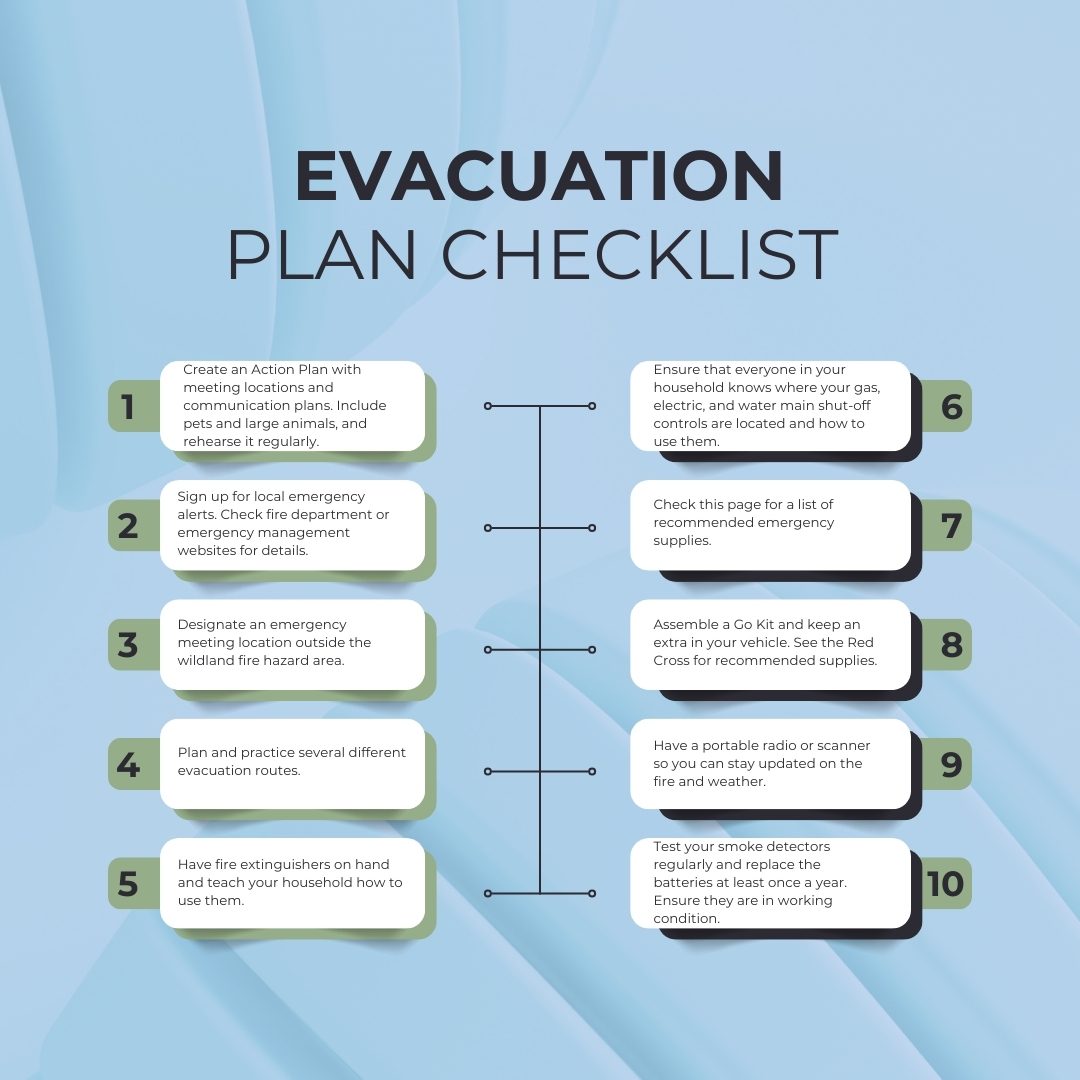
Emergency Go Kit Checklist:
- Three days’ supply of water and non-perishable food.
- Medications, important documents, and cash.
- Pet supplies, including food, carriers, and leashes.
- Flashlights, extra batteries, and phone chargers.
Pro Tip: Practice your evacuation plan twice a year.
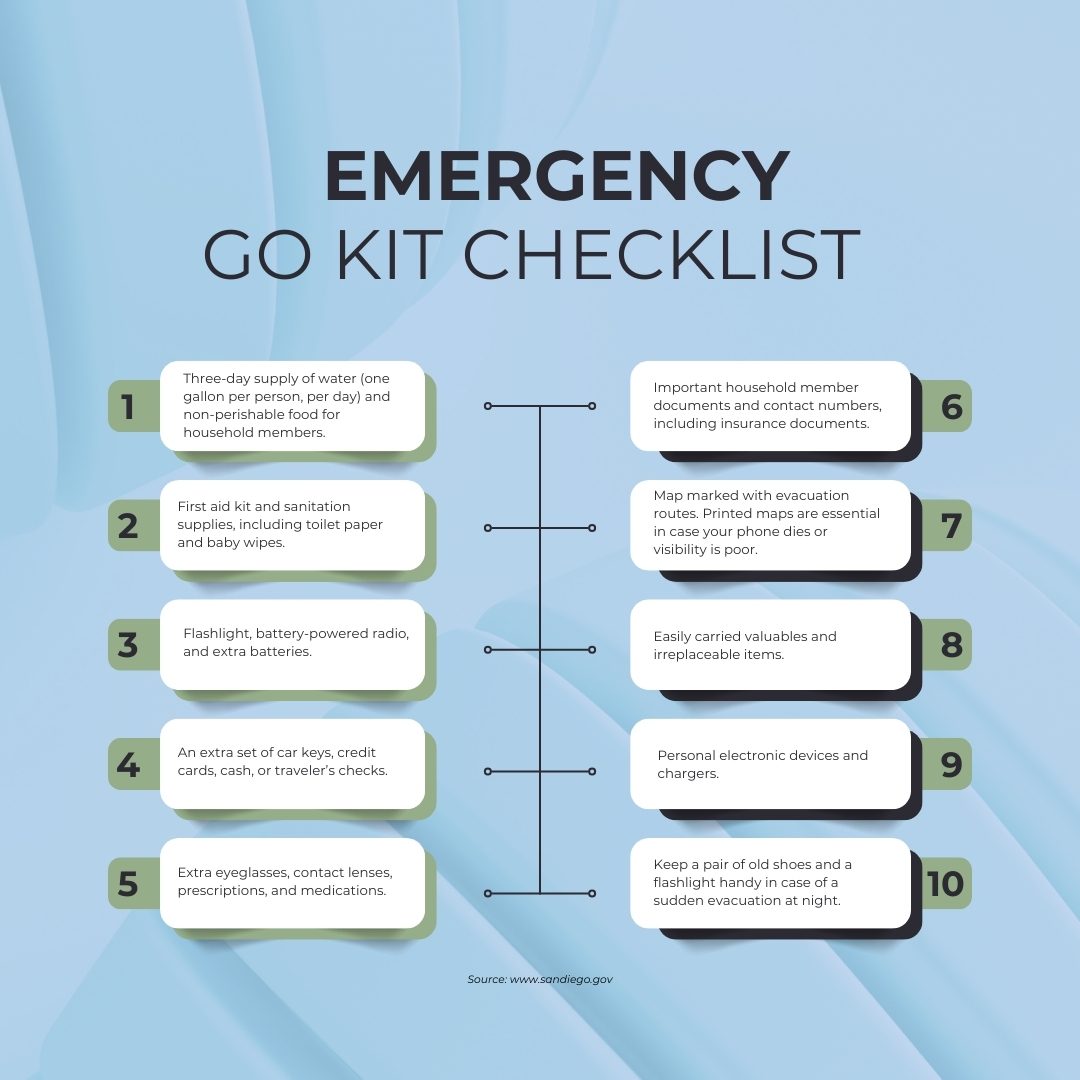
Upgrading Your Garage for Wildfire Readiness
Your garage holds some of your most valuable items and deserves attention during a remodel. Consider upgrades like:
- Fireproof garage doors for extra protection.
- Storage solutions, like fire-rated safes, to secure important documents, tools, and keepsakes.
We’ll ensure your garage is functional and fortified when we design your remodel.

Protecting Vulnerable Populations: Children and the Elderly
Talk to your kids about wildfires. Explain what to do in an emergency using simple terms. Practice your evacuation plan with them regularly.
For elderly family members, make a list of their medications and medical equipment and include this in your go-bag. If they need help moving, assign a family member to assist them.
Consider their special needs when choosing evacuation routes and meeting places. Make sure these are accessible to everyone.
Create a buddy system11 with neighbors. They can check on elderly residents during an emergency.

Wildfire Suppression Costs and Community Impacts
Wildfires not only devastate lives but also come with high economic costs. Did you know that wildfires cost California millions each year? Proactive steps can help reduce these costs, and protect your home in the process. Here’s a breakdown of recent suppression costs:
- 2020 to 2021: $1.23 billion
- 2021 to 2022: $896 million
- 2022 to 2023: $601 million
- *2023 to 2024: $915 million
- 2024 to 2025: $699 million (projected)
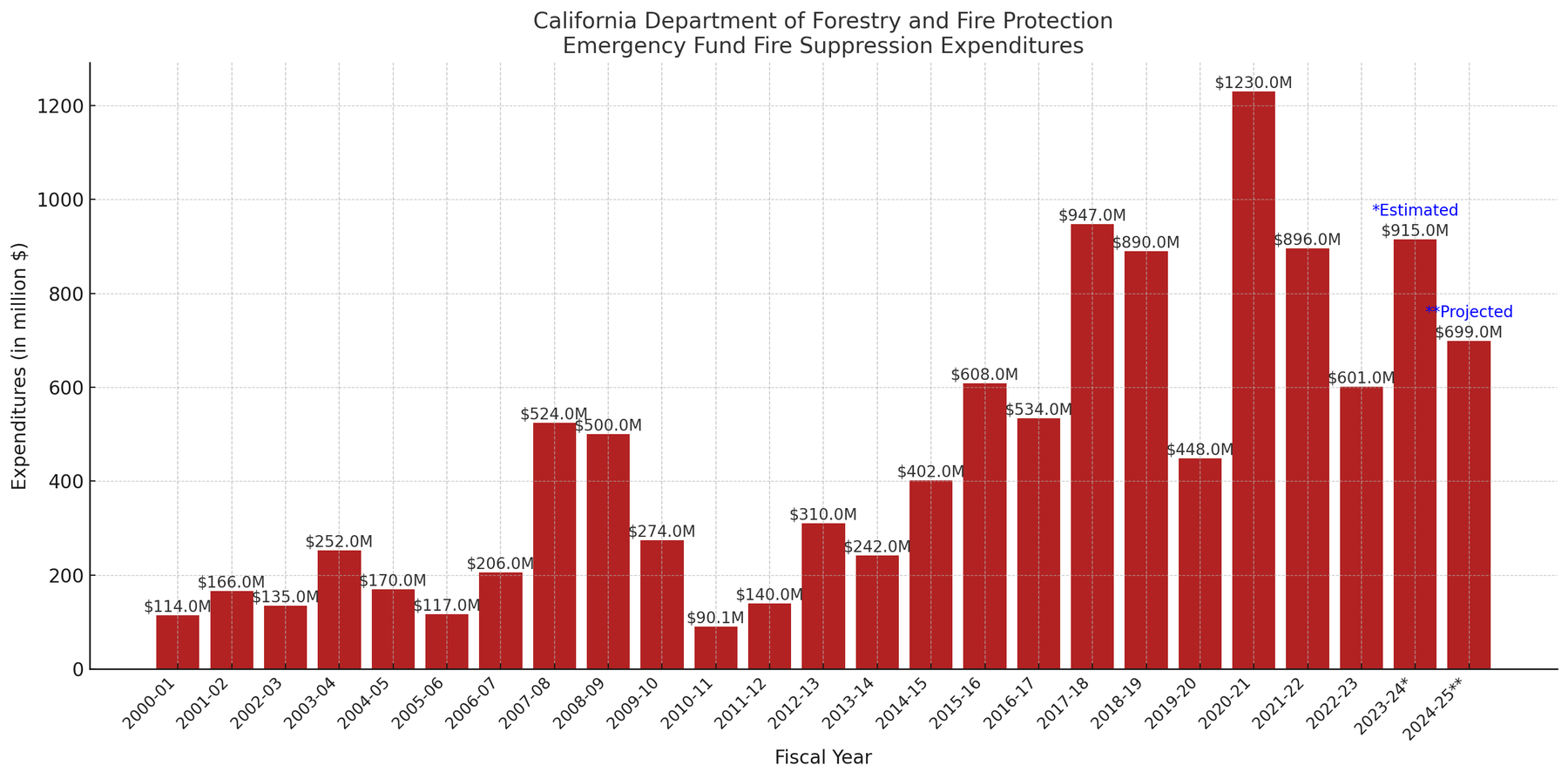
*The 2023 to 2024 figure is based on third-quarter emergency fund reports and is subject to revision once the fiscal year closes.
Investing in proactive measures, such as home hardening and creating defensible space, can significantly reduce these costs by minimizing fire spread and damage. These actions protect individual homes and contribute to the safety and resilience of entire communities.
The Financial Benefits of Wildfire-Resistant Remodeling
Fire-resistant remodeling doesn’t just keep your home safe, it’s a wise investment. Homes with fire-resistant materials are more appealing to buyers, and these upgrades can even lower your insurance premiums.
At Kaminskiy, we know how to balance safety, style, and market value perfectly. Let us show you how a wildfire-resistant remodel can pay off.
Save Money with Fire-Resistant Home Upgrades
Did you know certain fire-resistant upgrades may qualify for local incentives or rebates? Insurance companies often reward homeowners who prioritize safety.
From roofing materials to landscaping choices, we’ll help you identify opportunities to save money while protecting your home. Remodeling with safety in mind isn’t just practical, it’s economical, too.
Real-Life Wildfire Preparedness Success Stories
Wildfire preparedness isn’t just a theory, it’s a proven strategy that has saved communities and lives. Here are some notable examples of successful wildfire defense:
1. Montecito Fire Protection District, Montecito, CA
The Montecito Fire Protection District implemented comprehensive wildfire mitigation strategies starting in 1994, including community education and vegetation management. These efforts proved invaluable during a severe wildfire event, where only seven structures were lost despite extreme fire behavior. This highlights the importance of long-term planning and community-wide preparedness12.
2. Pepperdine University, Malibu, CA
Pepperdine University has developed a “shelter-in-place” protocol in collaboration with Los Angeles County fire authorities. During a recent wildfire threat, approximately 3,000 students were safely sheltered in wildfire-resistant campus buildings. This strategy not only minimized damage but also ensured the safety of the entire campus population13.
3. Altadena Community Collaboration, Altadena, CA
In January 2025, Altadena residents joined forces to combat the Eaton Fire. Led by local television producer Antonio Antonetti, the community used garden hoses to soak their homes and surroundings, successfully saving seven properties. This grassroots effort highlights how collective action can make a significant difference during emergencies14.
Home Hardening and Fire Safety Measures
Protecting your home from wildfires requires both interior and exterior precautions. These steps can significantly improve your safety and reduce the risk of fire damage.
Smoke Alarms and Home Safety
Install smoke alarms on every level of your home, including inside and outside sleeping areas. Test them monthly and replace batteries yearly. Keep fire extinguishers in easily accessible locations, especially in the kitchen and garage.
Create an evacuation plan with your family and practice it regularly so everyone knows what to do in case of a fire emergency.
Clear clutter from exits and ensure you can open windows easily. This will allow for a quick escape if needed.
Wildfire Prevention Strategies
Home hardening is crucial for wildfire protection. Use fire-resistant materials for your roof, walls, and windows. Install metal screens on vents to prevent embers from entering.
Create a defensible space around your home. Remove dead vegetation within 30 feet of your house. Trim trees and bushes, keeping them at least 10 feet from your home’s exterior.
Store firewood and other flammable materials at least 30 feet away from your house. When possible, use fire-resistant landscaping plants.
Keep gutters and roofs clear of leaves and debris. These can easily catch fire from flying embers.
Landscaping and Safety Tips
- Use fire-resistant plants with high moisture content, like succulents and lavender.
- Create barriers using gravel, stone, or concrete.
- Space trees and shrubs to prevent fire spread.
Did You Know? Embers cause most home ignitions during wildfires. Keeping gutters and roofs clear can significantly reduce risks.
Emergency Alerts and Staying Informed
San Diego County has robust systems in place to handle wildfires. Key organizations work together to keep you safe and informed during emergencies.
County Office of Emergency Services
The County Office of Emergency Services (OES) takes the lead in wildfire preparedness. They set up a County Resilience Program focused on wildfire prevention, response, and recovery. OES coordinates with fire departments, law enforcement, and other agencies during emergencies.
They provide critical information to the public about evacuations, shelters, and fire status. You can sign up for emergency alerts through their system. OES also runs disaster preparedness programs to help you prepare before a fire strikes.
Leveraging Resources from Ready San Diego and the American Red Cross
Ready San Diego gives you tools to prepare for wildfires. Their “Ready, Set, Go!” program teaches you how to:
- Create defensible space around your home
- Use fire-resistant landscaping
- Make an emergency supply kit
The American Red Cross offers key support during wildfires. It sets up and runs emergency shelters for evacuees, and Red Cross volunteers provide food, water, and other basics. They also give emotional support to those affected by fires.
You can take free Red Cross disaster preparedness classes. These classes teach first aid, CPR, and other vital skills.
Staying Informed During Wildfire Emergencies
Getting timely and accurate information is crucial during wildfire emergencies. To stay safe, you must be aware of alerts, evacuation orders, and the latest fire conditions.
Emergency Alerts and AlertSanDiego
AlertSanDiego is a key tool for staying informed. It’s a free service that sends emergency notifications to your phone or email. Sign up for AlertSanDiego to get critical updates about wildfires and evacuation orders.
This system also sends Red Flag Warnings, which alert you to dangerous fire conditions, such as high winds and low humidity.
Emergency alerts may come through other channels, too. Keep your phone on and pay attention to:
- Local TV and radio stations
- Social media accounts of official agencies
- Wireless Emergency Alerts (WEA) on your mobile device
Situational Awareness and Information Sources
Staying aware of your surroundings is vital during a wildfire. Watch the sky for smoke and listen for sirens. Check reliable sources regularly for updates on the fire’s location and movement.
Trusted Sources for Wildfire Information:
- CAL FIRE Incident Information Page: Updates on active fires.
- Local News and Radio: Reliable for evacuation updates.
- Social Media: Follow local fire departments for alerts.
Sign Up for Alerts
- AlertSanDiego: Provides real-time emergency notifications to your phone or email.
- San Diego County Emergency App: This app offers updates on evacuation orders, fire status, and more. Download it to access important information on the go.
The Wildland Fire Action Guide is another helpful resource. It offers tips on what to do before, during, and after a wildfire.
Community Resources and Support
Ready San Diego Program
The “Ready, Set, Go!” initiative teaches residents how to:
- Create defensible space.
- Build emergency supply kits.
- Use fire-resistant landscaping.
The American Red Cross
- Provides emergency shelters, food, and emotional support during wildfires.
- Offers free disaster preparedness classes, including first aid and CPR.
Real-Life Wildfire-Resistant Remodels
At Kaminskiy Design and Remodeling, we’ve seen firsthand how wildfire-resistant remodeling can transform homes and lives. Each project we undertake is an opportunity to create not only a safer space but also a more beautiful one.
One of our most memorable projects involved upgrading a home with fiber cement siding, and dual-pane tempered windows, turning it into a wildfire-ready fortress without compromising style. In another project, we revitalized a backyard with stone pathways, a sleek gravel firebreak, and gorgeous fire-resistant plants, creating an outdoor oasis that also served as a crucial defensible space.
One of our clients shared, ‘We sleep better at night knowing our home is now safer for our family. The fire-resistant upgrades Kaminskiy recommended not only protect us but have transformed the look of our home.’ Hearing these kinds of stories is why we do what we do.
Frequently Asked Questions
Frequently Asked QuestionsSan Diego residents need key information to prepare for wildfires. These questions cover alert systems, emergency kits, home protection, staying informed, and prevention strategies.
You can sign up for AlertSanDiego, the county’s emergency notification system. It sends alerts to your cell phone, landline, or email during emergencies.
You should also download the San Diego County Emergency app for your smartphone. This app gives you quick access to updates and important information.
Your kit should have enough supplies for at least three days. Include water, non-perishable food, first-aid items, flashlights, and batteries.
Pack important documents, cash, and medications. If you have animals, remember pet supplies. Keep the kit in an easy-to-grab spot.
Start by clearing brush within 100 feet of your home. Remove dead plants, grass, and weeds. Trim tree branches that hang over your roof.
In the 30 feet closest to your house, create a “lean, clean, and green” zone. Use fire-resistant plants and materials in this area.
Check the CAL FIRE incident information page for updates on current fires. Local news stations and emergency services’ social media accounts are also good sources.
Listen to local radio for evacuation orders and road closures. The San Diego County Emergency app also provides real-time updates.
Practice your evacuation plan at least twice a year. Go through the motions of quickly gathering your emergency kit and leaving your home.
Make sure everyone in your household knows the plan. Include multiple escape routes in case some roads are blocked.
Use fire-resistant plants in your yard. These plants have moist, supple leaves and don’t accumulate dead material.
To slow fire spread, create breaks in vegetation. Use hardscaping like stone walls or gravel paths. Keep your lawn well-watered and mowed short.
Resources:
- top-20-largest-ca-wildfires.pdf ↩︎
- top-20-destructive-ca-wildfires.pdf ↩︎
- 20-deadliest-ca-wildfires.pdf ↩︎
- https://www.fire.ca.gov/dspace ↩︎
- https://anrcatalog.ucanr.edu/pdf/8695.pdf ↩︎
- https://www.sandiegocounty.gov/content/dam/sdc/sdcfa/documents/development-services/2024-02%20-%20Wildfire%20Prepared%20Homeowner%20Guide.pdf ↩︎
- https://www.sandiego.gov/sites/default/files/rsg-english.pdf ↩︎
- Planning & Development Services ↩︎
- https://www.sandiegocounty.gov/content/sdc/sustainability/news/Wildfire-Preparedness.html ↩︎
- https://www.sandiego.gov/sites/default/files/rsg-english.pdf ↩︎
- https://www.alertsandiego.org/en-us/preparedness/make-a-plan.html ↩︎
- https://www.hstoday.us/subject-matter-areas/emergency-preparedness/mitigating-wildfire-vulnerability-one-communitys-success-story/ ↩︎
- https://apnews.com/article/california-wildfire-pepperdine-university-926d731c92bb911ccf1c33dff10b596f ↩︎
- https://people.com/tv-producer-teams-up-with-neighbors-to-use-garden-hoses-to-save-7-homes-from-deadly-eaton-fire-8777335 ↩︎
Ready when you are